|
❌ Depends on the Operator
|
❌ Easy to Make Counting Errors
|
❌ Difficult to Maintain Accurate Quantity Control
|
❌ Manual Counting Takes Time
|
|
Counting results may vary depending on the operator and working conditions.
|
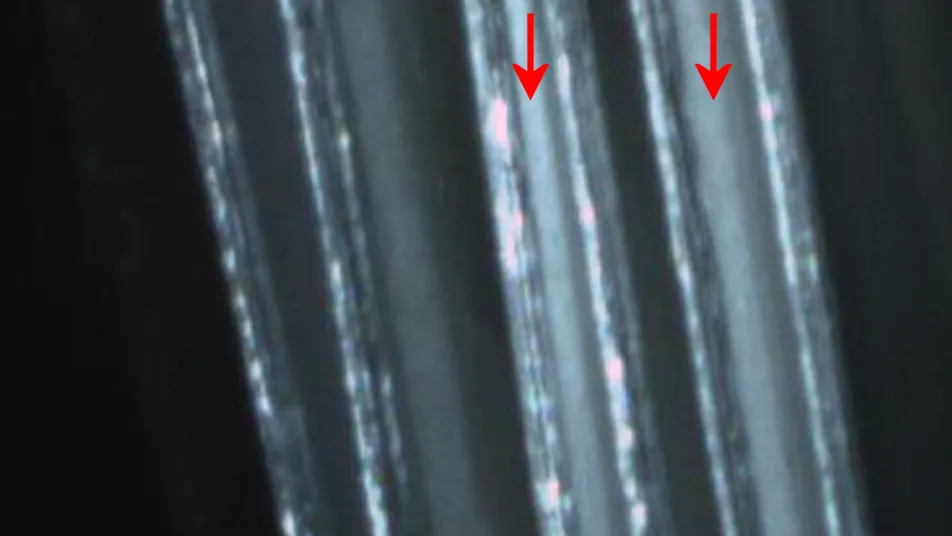
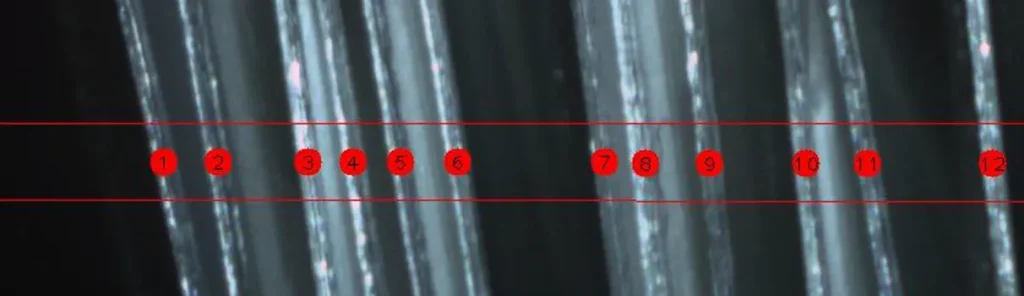
Thin, small, or multi-layered products can be difficult to count accurately by eye.
|
Counting errors during packaging, shipping, or inventory checks can affect production and inventory management.
|
Employees need to count products one by one, which becomes especially time-consuming when handling large quantities.
|
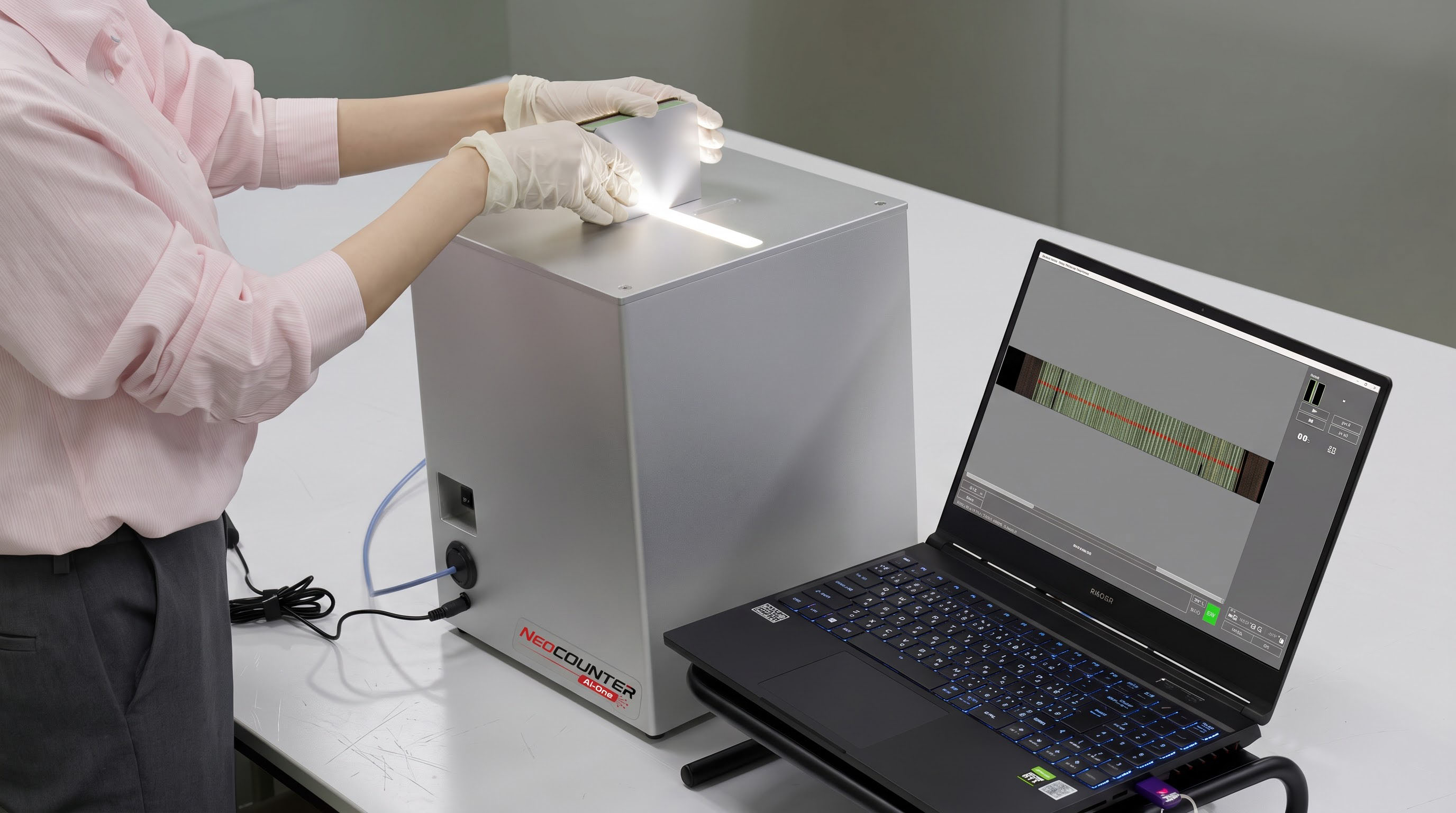
NeoCounter Ai-One – Automate Product Counting
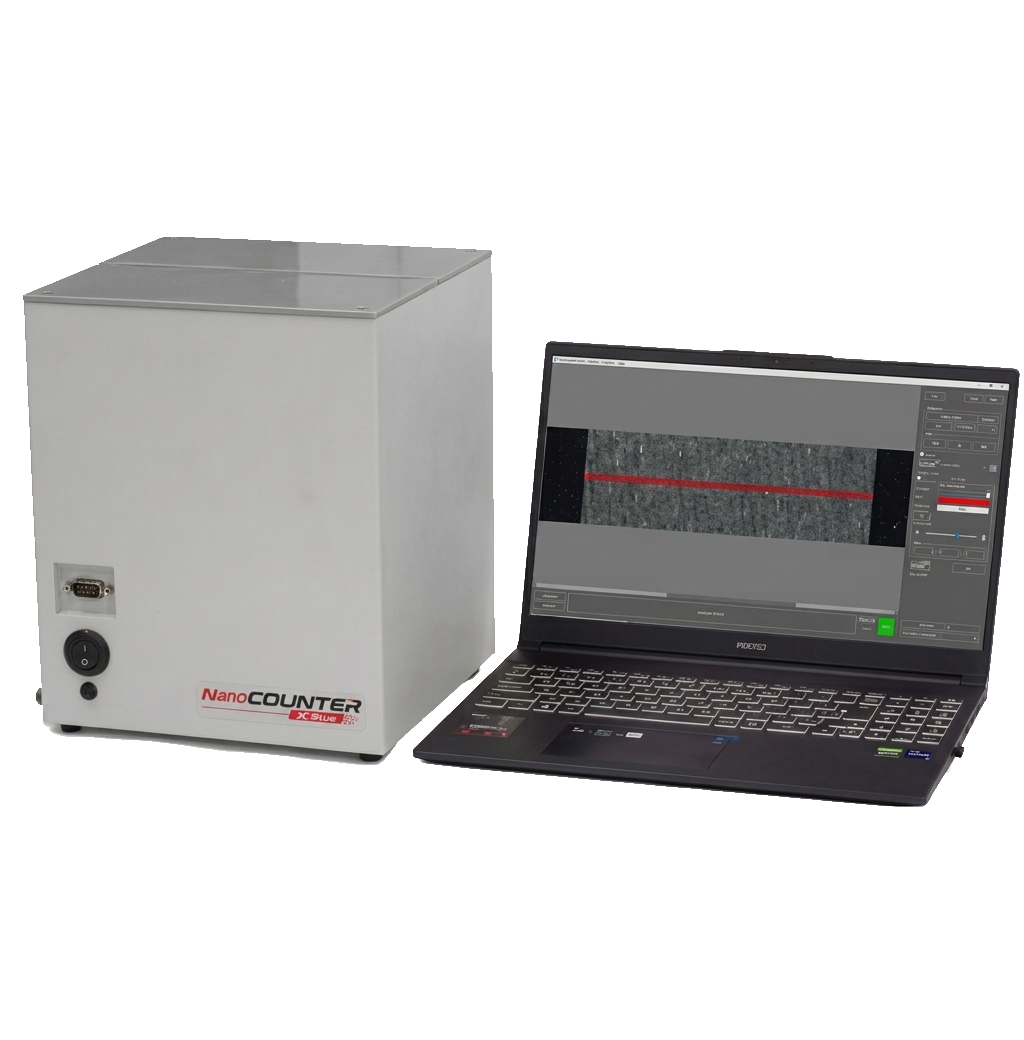
NeoCounter Ai-One uses a camera to capture product images and AI technology to recognize, analyze, and determine the quantity automatically.
Instead of manually counting each product, the operator simply places the products on the Counting Station and starts the counting process.
NeoCounter Ai-One helps automate counting operations, reduce manual counting errors, and improve counting efficiency.
03 KEY FEATURES OF NEOCOUNTER Ai-One
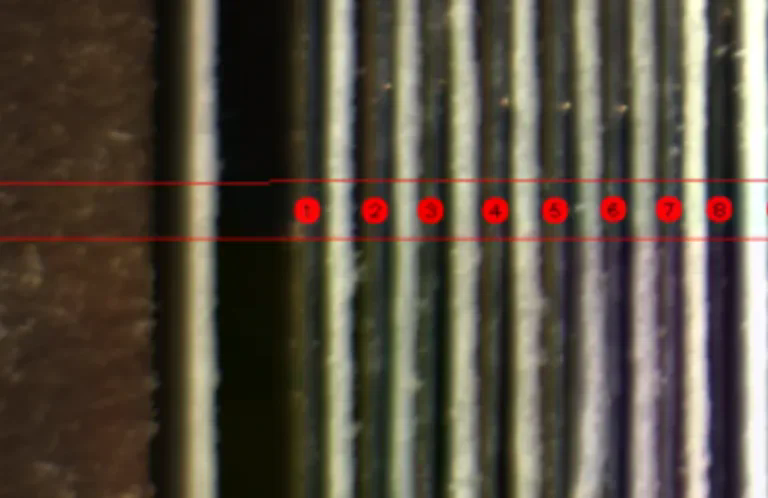
01 NeoCounter Ai-One Can Count Complex Products
Thin, multi-layered, or complex-shaped products can be difficult to count accurately using traditional counting methods.
NeoCounter Ai-One uses a camera and AI technology to learn the visual characteristics of products instead of relying only on simple changes in brightness.
AI can learn characteristics such as shape, edges, color, and brightness, allowing the system to recognize individual products even when the images contain complex variations.
02 No Complex Threshold Adjustment Required
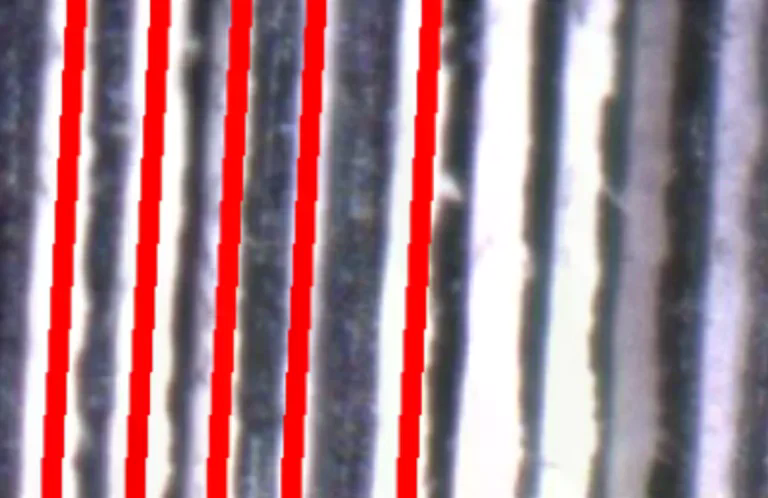
With traditional image-based counting methods, users often need to adjust brightness, contrast, and threshold settings and perform repeated tests to find the appropriate configuration.
NeoCounter Ai-One simplifies this process.
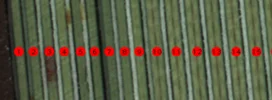
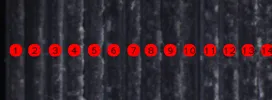
Simply capture sample images and perform annotation to identify the products to be counted. AI learns from these sample images and creates a counting model suitable for each type of product.
This makes AI image recognition and automatic product counting easier to set up and operate.
03 Adapts to Changes in Cross-Sections
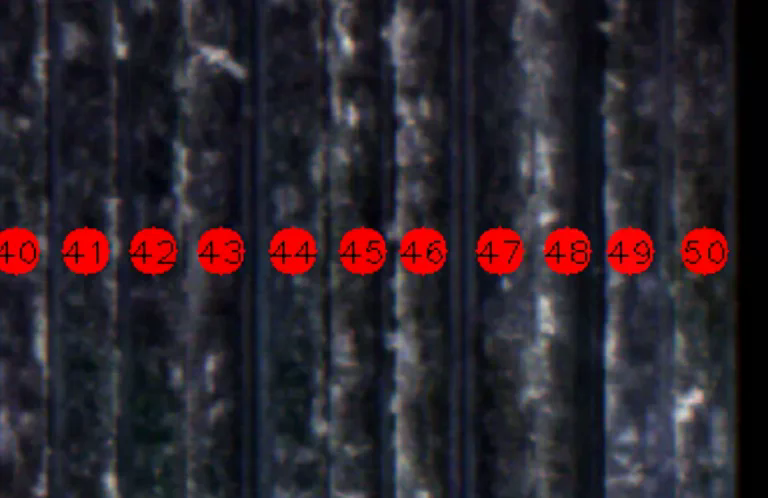
For sheet materials and cut products, the cross-section may change depending on the material, cutting blade, and production conditions.
With NeoCounter Ai-One, multiple images showing different product conditions can be provided for AI training.
AI can learn variations in the shape, edges, color, and brightness of the cross-section, helping the system adapt more effectively to changes in actual products.
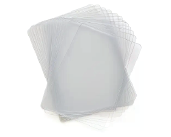
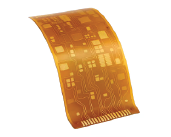
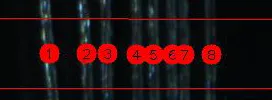
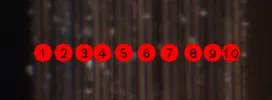
EXAMPLE PRODUCTS:
|
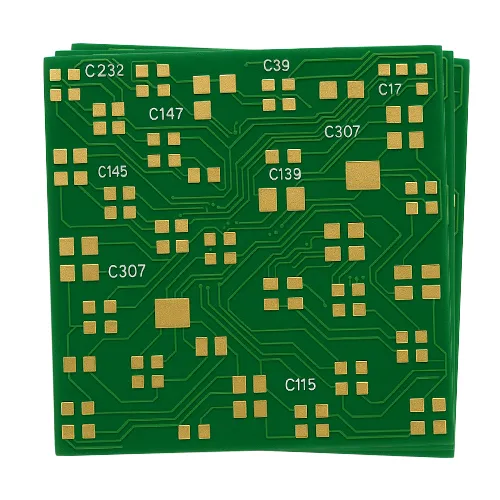
PCB with interleaving paper (0.3 mm)
 |
Transparent plastic cards (0.3 mm)
 |
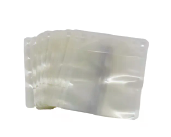
Silver transparent bags (0.1 mm)
 |
Brown flexible sheets / FPC (0.1 mm)
 |
|
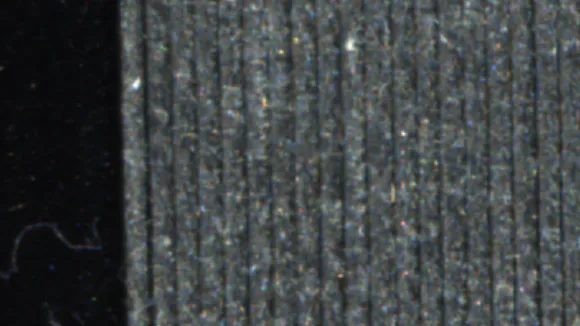
Product Cross-Section
 |
Product Cross-Section
 |
Product Cross-Section
 |
Product Cross-Section
 |
|
Counting Results
 |
Counting Results
 |
Counting Results
 |
Counting Results
 |
|
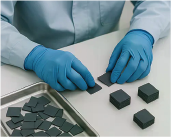
Heat dissipation sheets
 |
Kraft paper bags (0.2 mm)
 |
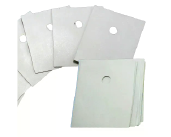
Thin stainless-steel sheets
 |
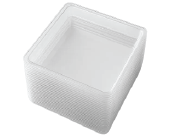
Transparent plastic trays
 |
THE DIFFERENCE OF NeoCounter Ai-One
01 AI Recognizes Products Directly from Images
AI-Based Direct Image Recognition
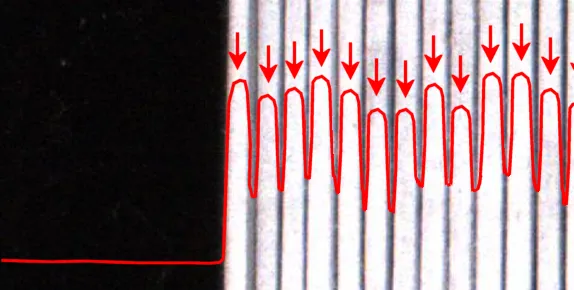
Traditional non-contact counting machines typically analyze changes in brightness within an image and convert the image into a Brightness Profile. The system then determines the quantity by counting the peaks in the brightness profile.
However, this method can be challenging when the boundaries between products are unclear or when the image contains bright areas that are not part of the counting target.
With NeoCounter Ai-One, AI learns the actual image of the product itself, enabling the system to recognize and count products based on their visual characteristics.
02 High Resolution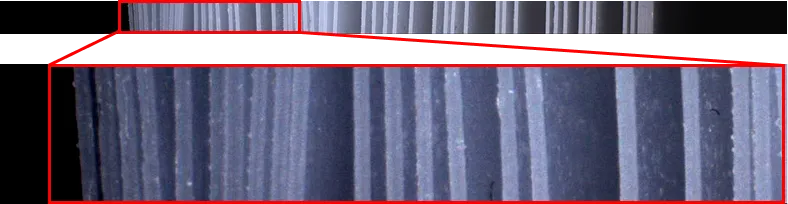
Captures images at up to 5,400 pixels horizontally, clearly capturing even thin products and materials.
03 Learns the Cross-Section Itself

Instead of detecting changes in brightness, AI learns the actual image of the cross-section.
This enables NeoCounter Ai-One to accurately count sheet materials with complex cross-sections, including products made by bonding multiple layers or materials together.
04 Handles Product Variations
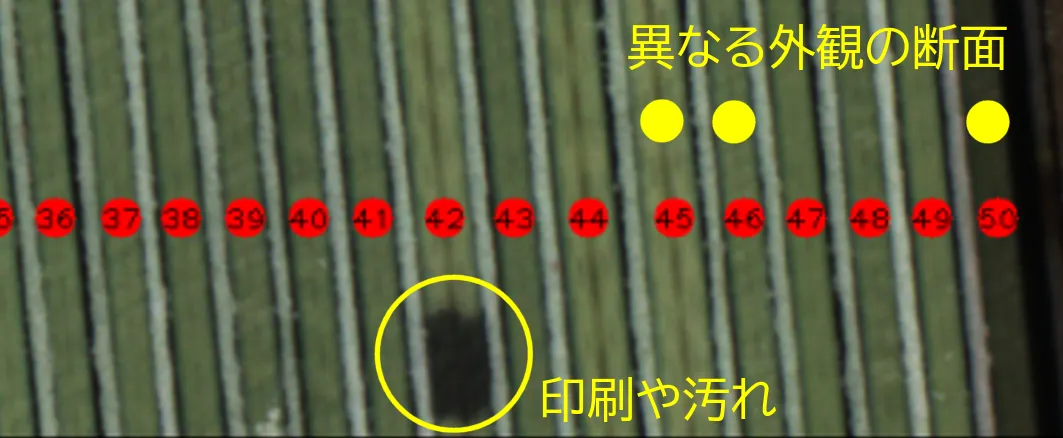
Even when the cross-section changes depending on the condition of the cutting blade, or when sheet materials have significant variations in thickness and appearance, Deep Learning can learn multiple cross-sectional patterns and count accurately without missing products.
SIMPLE 3-STEP PROCESS
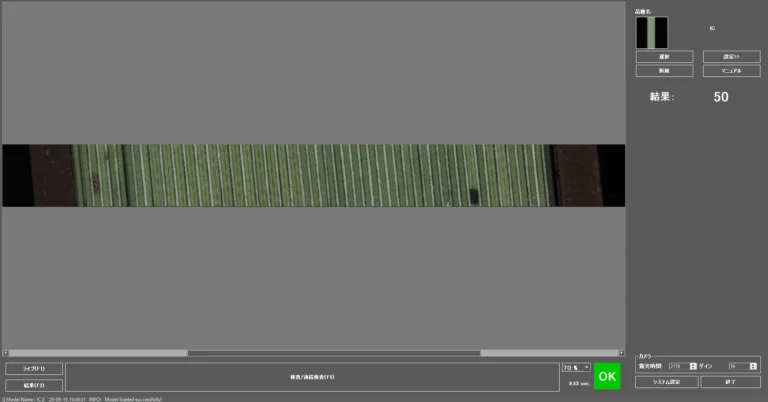
| STEP ① Create a Counting Model |
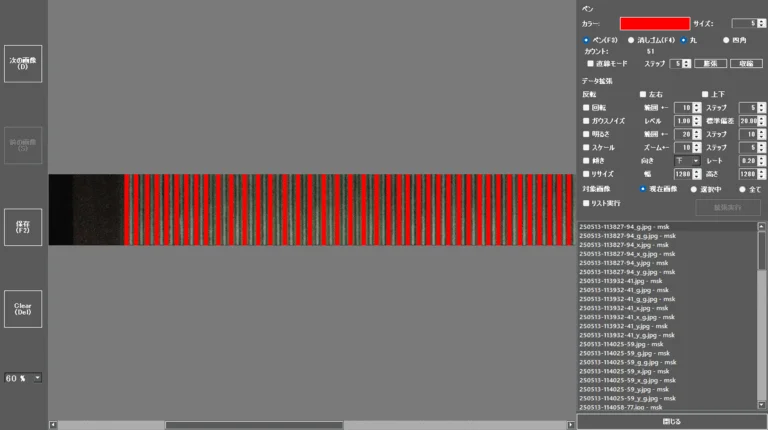
STEP ② Data Annotation |
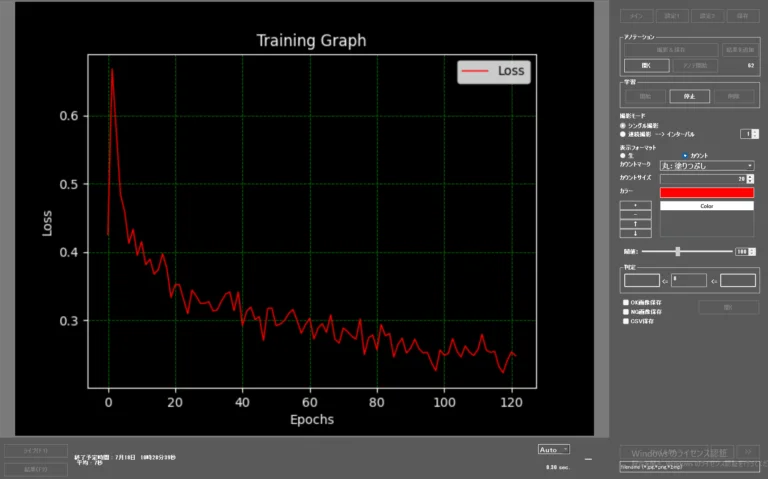
STEP ③ AI Training |
|
Capture images of the cross-sections of the products to be counted.
Please take the images under the same conditions in which the counting machine will actually be used.
|
Annotation is the process of labeling the data that AI will learn from.
Using the captured images, mark all counting targets with the annotation tool.
|
Use the annotated images to train the AI and create an image recognition and counting model.
|
|
|
|